From High-Stakes Poker to Day Trading: Why 13 Years at the Table Made Me Dangerous in the Markets
I looked at the prop trading firm landscape and felt something I hadn’t felt in years: déjà vu. It gives off the exact energy poker had right when it exploded — a wide-open window, money everywhere, and a flood of new players who have no idea what game they’re actually sitting in.
I know that feeling because I lived the last one. I spent 13 years at the poker table. And everything that made me money there is the same thing that makes me dangerous in the markets now.
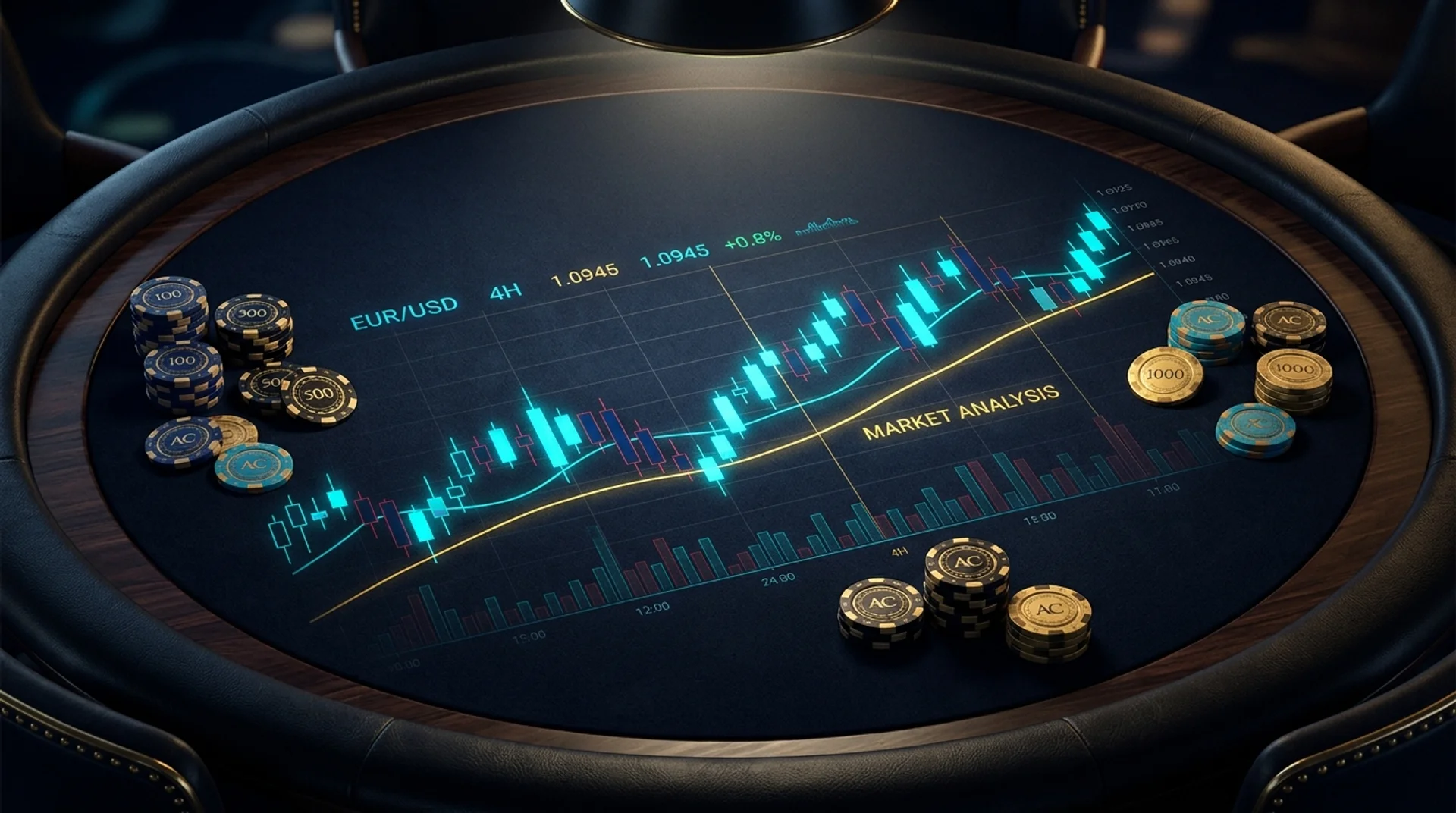
I Went Pro in 2010
I went pro in 2010, at 23 years old. High-stakes No Limit Hold’em cash games were my game. I made serious money in those games, and when I chose to be patient in tournaments, I placed deep. I’ve since stepped back from the felt — but I still sit down occasionally, and I still clean up when I do.
Here’s the part most people get wrong about poker: it isn’t a gambling story. It’s an apprenticeship in decision-making under pressure with real money on the line. Thirteen-plus years of that rewires how you think. You stop caring about being right and start caring about being correct — and those are not the same thing.
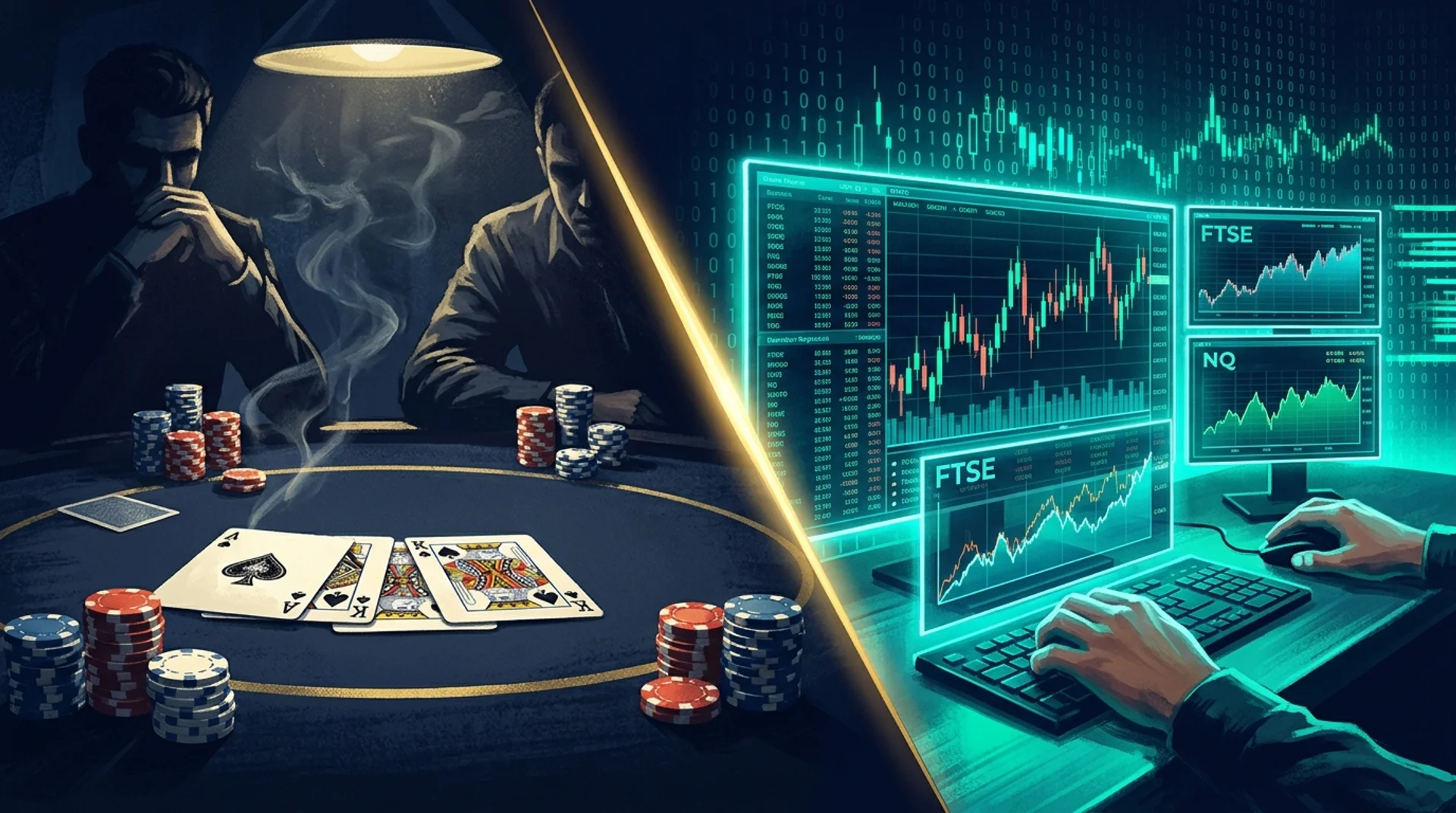
Why Poker Is the Most Underrated Trading School
Trading has a thousand courses and a thousand gurus. Almost none of them teach the actual skill that separates the people who keep money from the people who hand it back. Poker teaches all of it — and it charges tuition in real dollars until you learn. Here’s the translation, piece by piece.
EV Over Outcomes
In poker, a correct decision can lose and a terrible decision can win. You don’t judge a play by how the hand turned out — you judge it by whether it was the right bet given the information you had. You act on expected value and let variance sort out the short run.
“A correct decision can lose and a bad one can win. You bet on expected value and let variance sort out the rest — that’s why a 33% win rate doesn’t rattle me and quietly destroys everyone else.”
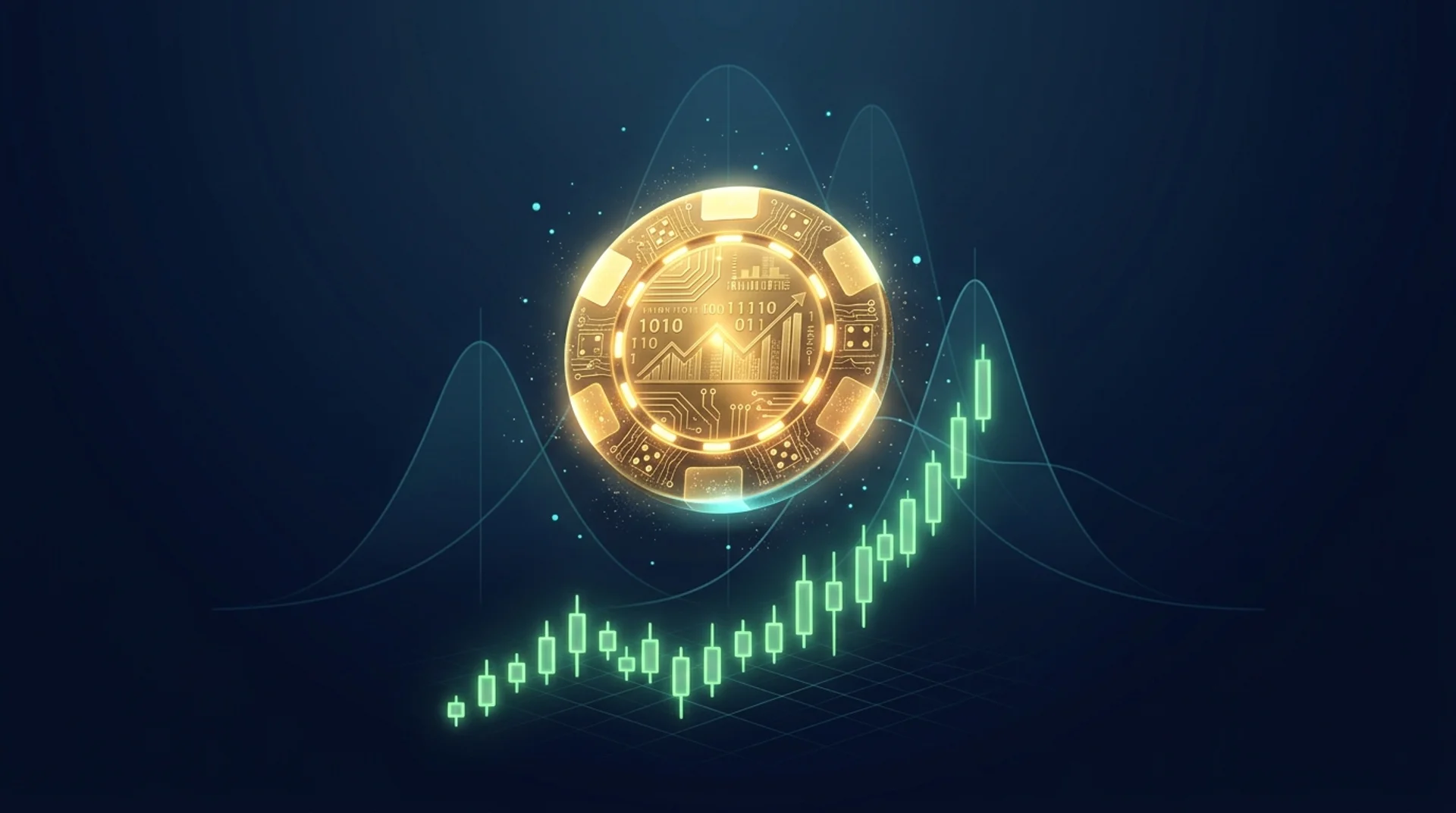
A 33% win rate sounds like losing to a normal person. To a poker player it’s just a number — if the winners are big enough and the losers are small enough, you print money winning one out of three. Most traders can’t survive that math emotionally. I’ve lived inside it for over a decade.
Bankroll Management = Risk Per Trade
Every poker pro lives by bankroll management — you never put a number on the table that can break you, no matter how good the spot looks. Trading calls the same thing risk-per-trade. The prop firm’s max-loss rule? That’s just forced bankroll discipline for people who never built it themselves. I built mine the hard way, years before a prop firm ever handed me a rulebook.
Tilt Control = No Revenge Trading
Most people don’t blow up accounts on bad setups. They tilt them off. They lose one, get angry, and start firing to get it back — revenge trading, overtrading, chasing. Poker beats that out of you, because tilt at a high-stakes table is a death sentence you can watch happen in real time. Thirteen years built my brake pedal. When the market takes one from me, I don’t get even. I get up, or I wait.
Table Selection = Firm and Account Selection
In poker, picking the soft game is half the win. The best players don’t sit in the hardest game to prove something — they find the table where their edge is biggest. Same skill in this world: which prop firm, which account tier, which conditions actually give me the best edge. I’m choosing my table before I ever play a hand.
Pot Odds = R-Multiples
Pot odds are just risk-to-reward, rebadged. Am I getting paid enough to make this call? In trading it’s R-multiples — what I risk versus what I stand to make. Same arithmetic, different felt. I’ve been running that math at speed, under pressure, for years.
And Why Trading Is Actually Easier Than Poker
Here’s what surprised me: for someone with my background, trading is easier than poker. Three reasons. First, the market isn’t a thinking opponent. It isn’t studying me, adapting to me, or setting traps to exploit my tendencies — a great player across the table is doing all three. The market just is what it is.
Second, there are no blinds. In poker the blinds bleed you every orbit, so sitting out costs money and patience has a price. In trading, patience is free — I can wait all day for the one setup and it costs me nothing. Third, I can define my exact max loss before I ever enter. No poker hand lets you do that. Knowing the worst case before I’m in is a luxury most poker players would kill for.
The Other Edges I Bring
Poker is the foundation, but it’s not the whole stack. I’m a serial entrepreneur and an early mover with a track record across multiple markets — I’ve built in more than one and seen the pattern repeat. I’m a pattern-recognition operator by wiring; I tend to see the shape of a thing before it’s obvious. And I’ve been in crypto since 2017 — early, before most people would say the word out loud.
Different arenas, identical skill: spot an asymmetric window early and act while everyone else hesitates. That’s the through-line of my entire career. The prop firm window is just the newest version of it.
What I’m Doing With It Now
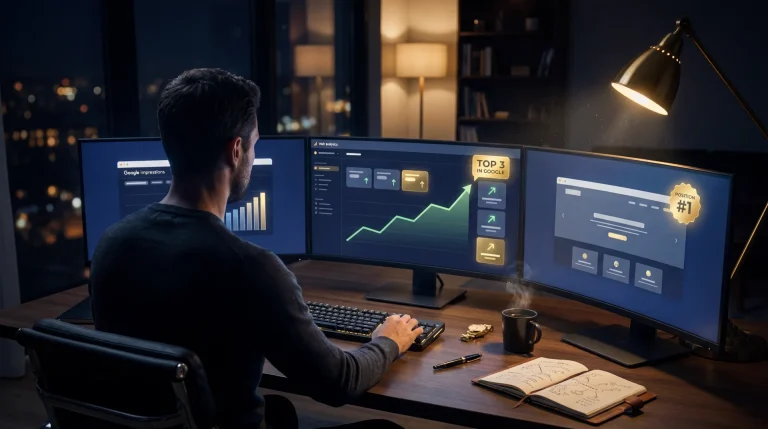
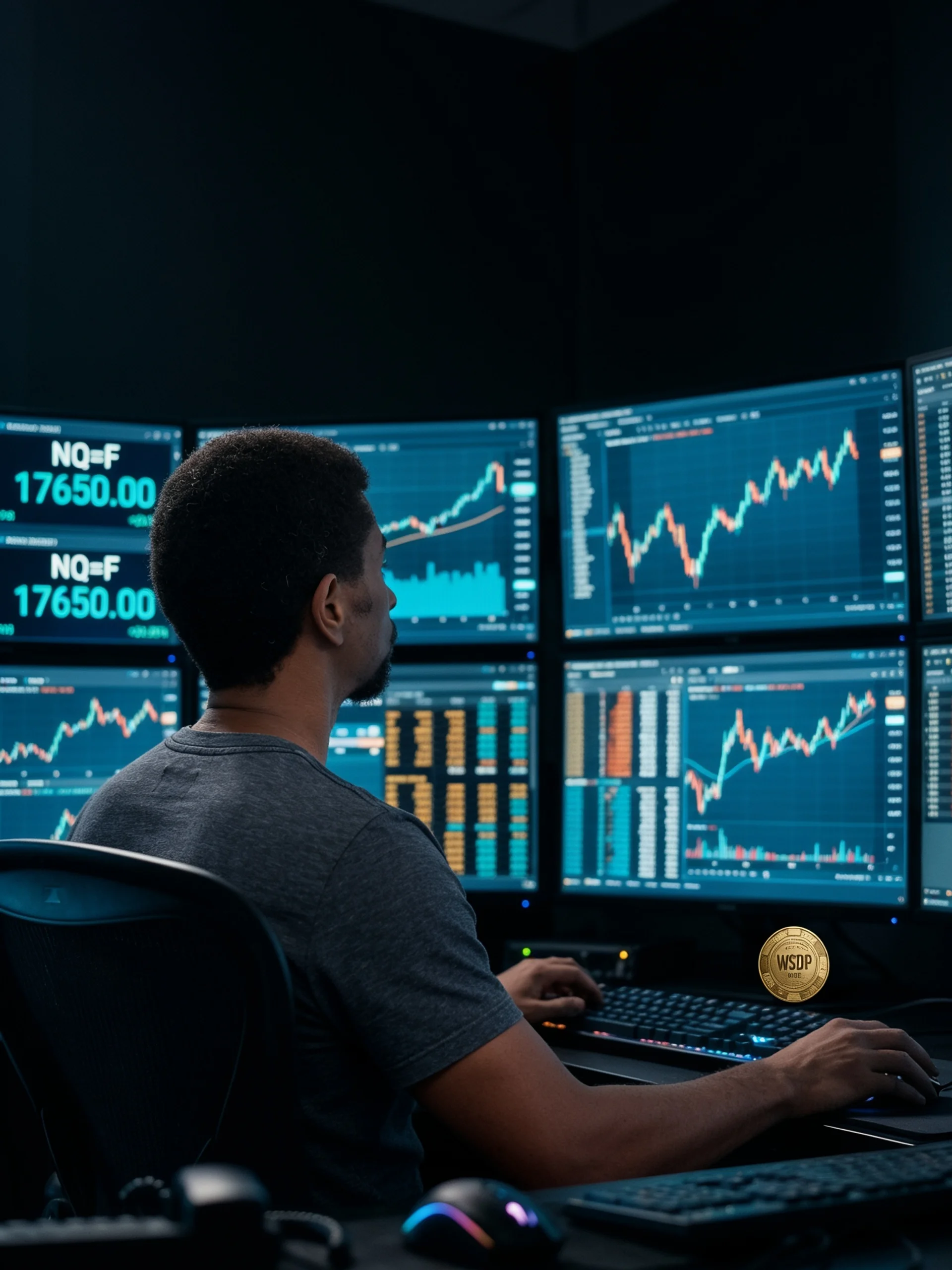
I’m channeling all of it into day trading and scaling a real trading operation — not as a gamble, as a system. I run prop firm evaluations and funded accounts the way a pro runs a bankroll: process first, ego nowhere. I’ve already passed evaluations, and fast (within 1-3 days). I’m not interested in one lucky run. I’m interested in a repeatable machine.

The Window Is Open Now
Here’s my thesis, and it’s the reason I’m writing this. The prop firm boom is a time-limited window — exactly like early poker. Wide open, full of money, full of people who don’t understand the game they’re in. Windows like that don’t stay open. They close as the crowd wises up and the conditions tighten.
And here’s what I learned watching the poker boom play out: the most durable money wasn’t only at the table. It was made by the people who truly understood the game — and brought others into it. The table is where you prove it. Teaching it is where it lasts.
So my play is both. I’m going to operate — trade it, scale it, stack funded accounts — and I’m going to bring people in with real, verifiable proof, not a spreadsheet anyone can type numbers into. That’s the early-mover move: see the window, act while it’s open, and build something that outlasts the window itself.
The window is open right now. I’ve spent my whole life learning to recognize exactly this. I’m not going to be the guy who noticed it after it closed.
A quick, honest note: trading involves substantial risk, results vary, and nothing here is financial or investment advice. This is education and my personal experience — what I’ve actually done, not a promise of what you will.
Sponsored by Plopjoy
When you’re ready to launch a business, build a website, scale what you’ve got, or take it to the next level, Plopjoy builds the AI-powered websites, automation, and lead systems that make it happen. plopjoy.com
Instagram @kevinlwalker | Facebook @KevinLWalkerOfficial | YouTube @kevinlwalker | kevinlwalker.com | plopjoy.com